
Key Impacts
What our work has made possible across six core areas
Our Impacts
Real change, measured in lives, learning and livelihoods
Core area
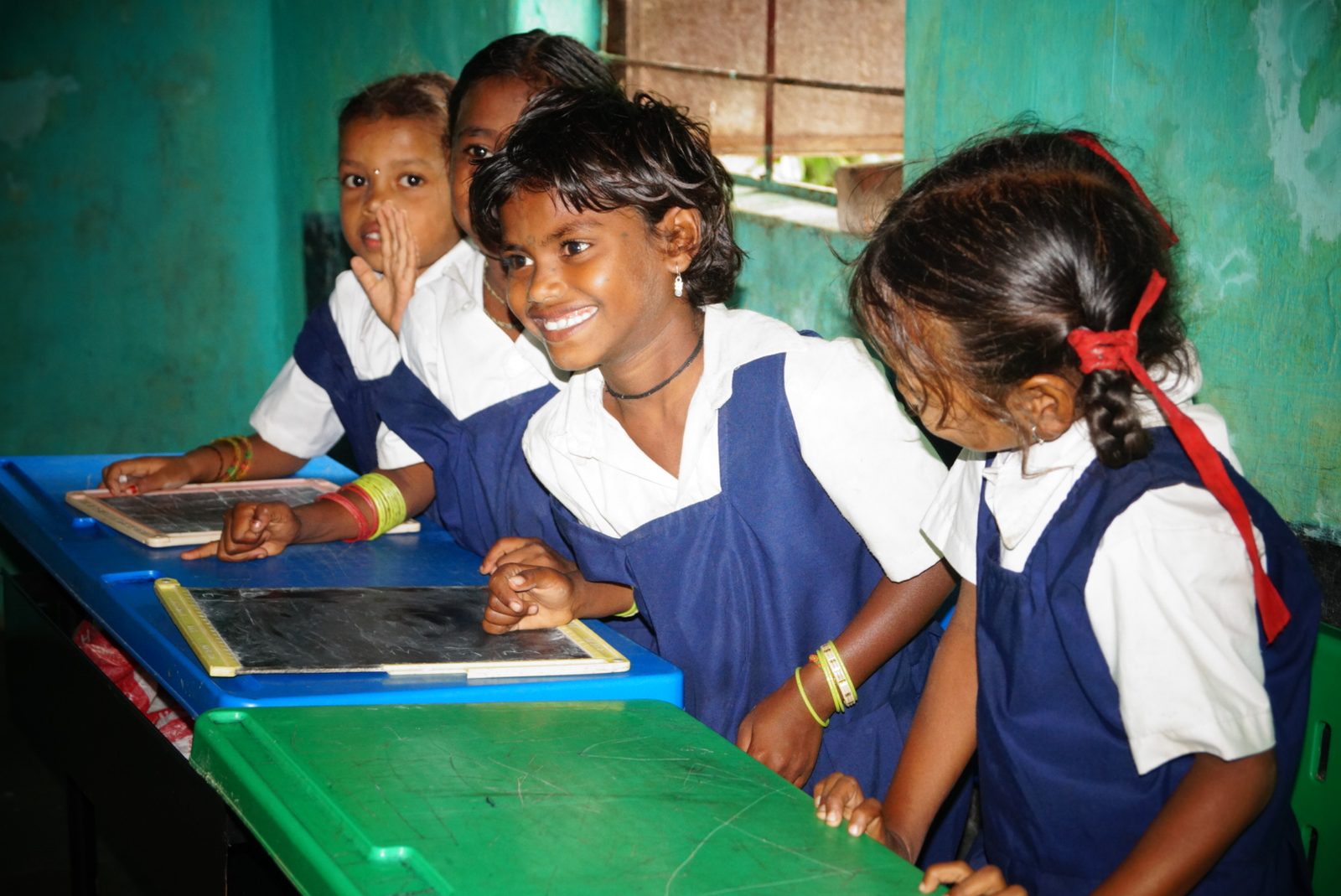
Integrated Education
14 key impacts
2,000+
dropout children have been supported with daily non-formal education, helping them reconnect with learning and transition into formal schooling.
214
students from the rag-picking community have successfully cleared the SSC examination, taking an important step towards higher education and employment opportunities.
378
adults have gained literacy skills, strengthening their ability to manage everyday tasks and access opportunities independently.
396
students affected by HIV/AIDS have successfully cleared the SSC examination, taking an important step towards higher education and future opportunities.
20,327
instances of education support have been provided, helping children continue their studies despite financial and other barriers.
64
schools received sports materials, helping make sports more accessible within school settings.
8
schools have received support to strengthen basic infrastructure and technology, creating better-equipped spaces for education.
Two former students from the rag-picking community have gone on to join Karunya Trust as employees, reflecting a powerful journey from being beneficiaries to becoming part of the team supporting their community.
One former girl beneficiary is now serving as a Revenue Officer in the Revenue and Forest Department of the Government of Maharashtra, reflecting how sustained educational support can open pathways to professional opportunities.
Beneficiaries have progressed into diverse career and employment fields, including Government Revenue Services, the Indian Army, Nursing, Pharmacy, Teaching, Chartered Accountancy, Medicine, Engineering, IT, Banking, Social Work, Media, Hotel Management, Airport Ground Services and the Merchant Navy.
Three single-orphaned children accessed free education through the RTE scheme, with support for applications, documentation and admission helping them continue their education without the burden of school fees.
Children in tribal hamlets have gained access to regular tuition support closer to home, giving them additional academic support where educational resources are limited.
Financial barriers have been reduced for rural tribal children through education kits and admission support, helping them enter and continue school without basic educational needs becoming a reason to fall behind.
Young people are being encouraged to engage in sports and active lifestyles, creating positive spaces for recreation, teamwork and healthy habits.
Core area
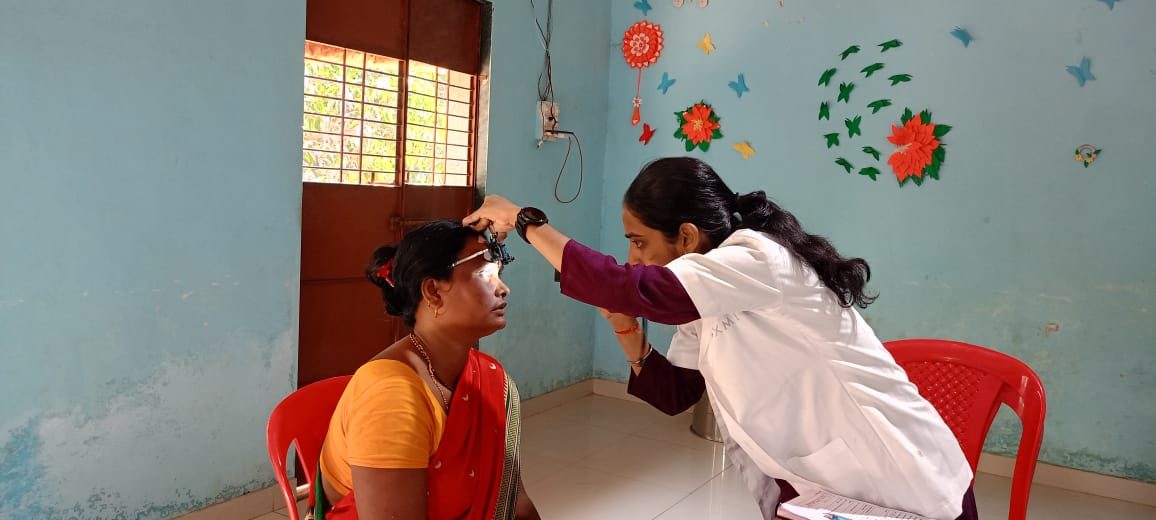
Holistic Health
9 key impacts
2000+
children have received daily nutritious meals, helping them lead healthier lives while addressing malnutrition.
1
Primary Health Centre has received support to strengthen basic infrastructure and technology, creating a better-equipped space for healthcare.
Beneficiaries living with HIV/AIDS have shown improvement in their CD4 counts while continuing their medical treatment, supporting their ongoing health and well-being.
People from economically disadvantaged families have been able to access essential healthcare and medical support, helping reduce the financial barriers that can prevent timely treatment.
Three individuals turned their commitment to organ donation into a lasting gift of life, donating their organs and giving others a chance to live.
People living on the streets have been supported with greater dignity and care, including access to nutrition, medical assistance and linkages to shelter and institutional support.
Emergency relief has reached communities affected by floods and COVID-19, helping families meet immediate needs during periods of crisis.
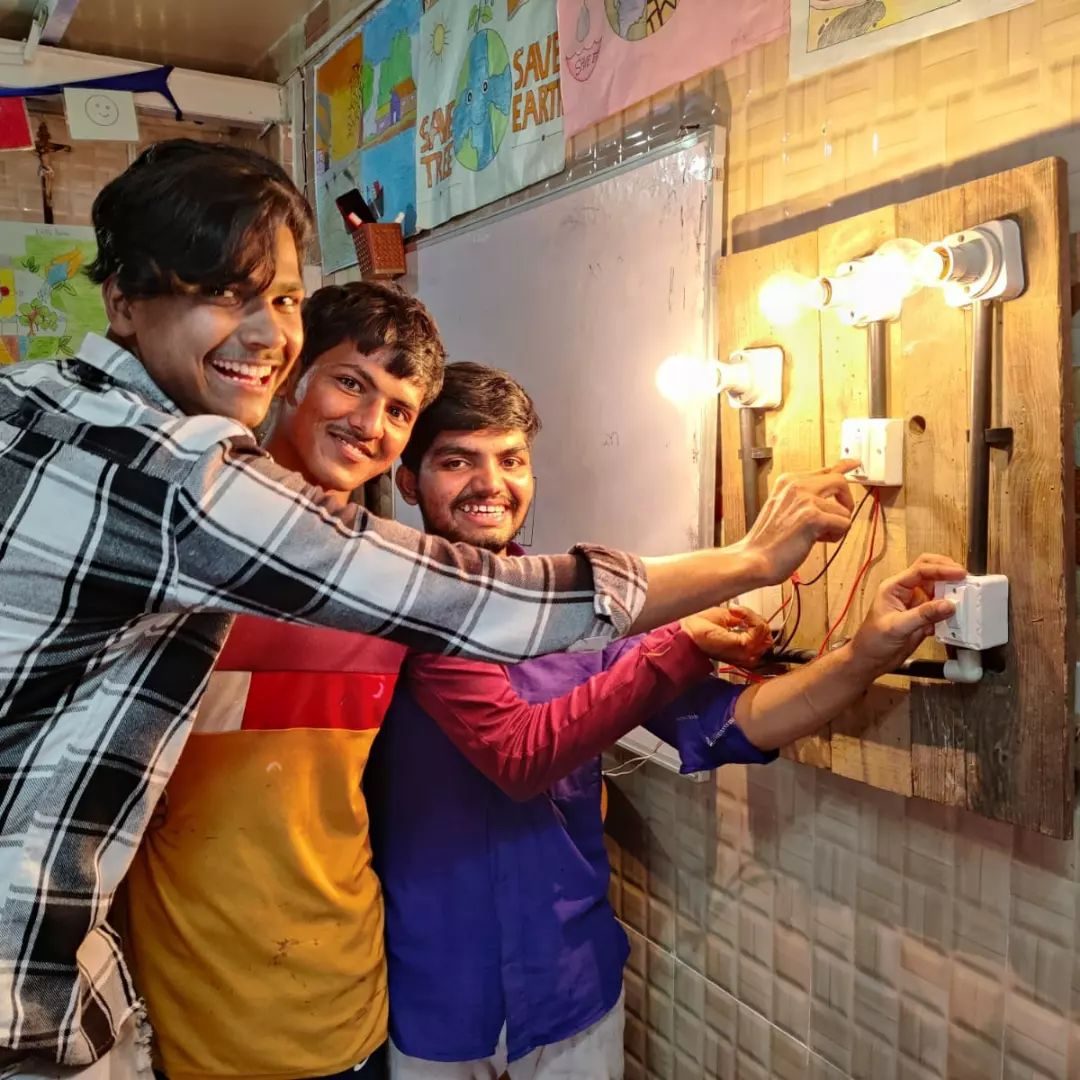
Tribal families have gained access to safer and more hygienic sanitation facilities, improving health, dignity, privacy and everyday living conditions.
Drinking water crises across six villages were resolved through women-led community mobilisation, strengthening community ownership and improving access to a basic necessity.
Core area
Sustainable Livelihood
4 key impacts
242
individuals have received tailoring machines, enabling them to use their skills to explore home-based income opportunities and strengthen their livelihoods.
919
individuals have been supported through income-generation activities, helping them strengthen existing livelihoods or explore new sources of income.
86
individuals have taken up self-employment through organic farming, creating livelihood opportunities through locally relevant and sustainable agricultural practices.
A young woman from the dumping ground of Deonar secured 1st place in a kickboxing competition at Govandi Got Talent, earning a ₹7,500 cash prize and trophy, demonstrating the potential of young women when given opportunities to participate and excel in sports.
Core area
Good Governance
7 key impacts
17,143
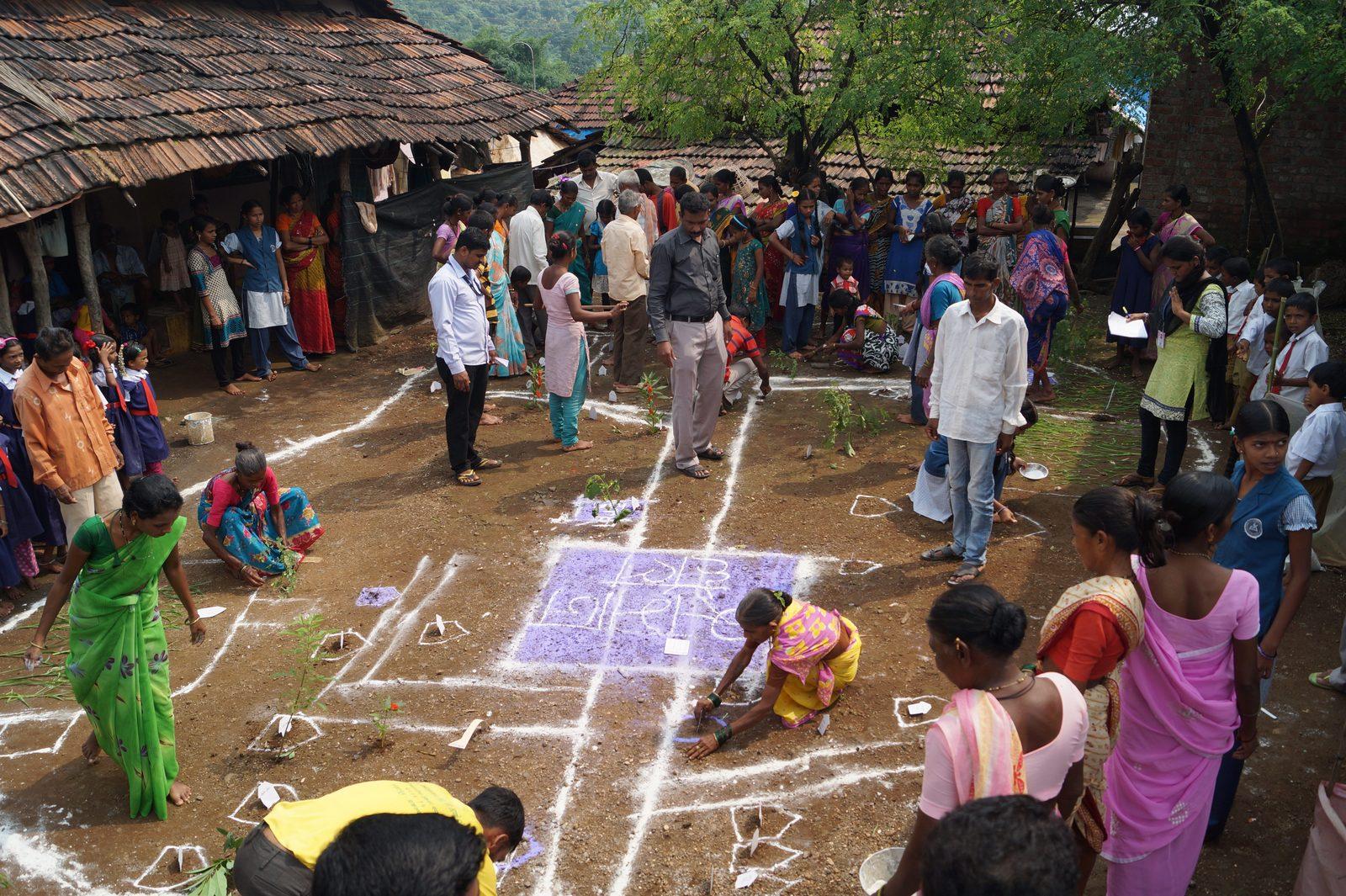
community members have been supported in accessing government schemes, benefits and essential documentation, helping families connect with services such as ration cards, housing support, Ayushman Bharat, pensions, job cards, bank accounts and other entitlements. Eligible vulnerable families have gained access to monthly pensions through government schemes, providing a more regular source of financial support.
34
women contested Gram Panchayat elections, with 19 being elected, strengthening women’s representation in local governance.
A POCSO survivor received ₹3 lakh in compensation following Karunya Trust’s intervention with the police and legal authorities, helping the survivor access justice and entitled support.
Long-pending road connectivity issues in Bangarwadi and Thakurpada were resolved after four years of community advocacy, improving access and connectivity for local residents.
The Chavare community secured settlement of Gavthan land, helping families obtain legal ownership of their homes and greater security over their living spaces.
Community participation in Gram Sabhas and local governance reached 90%, reflecting increased involvement in local decision-making and community affairs.
Drinking water crises across six villages were resolved through women-led community mobilisation, strengthening community ownership and improving access to a basic necessity.
Core area
Sustainable Environment
2 key impacts
86
individuals have taken up self-employment through organic farming, creating livelihood opportunities through locally relevant and sustainable agricultural practices.
13,660
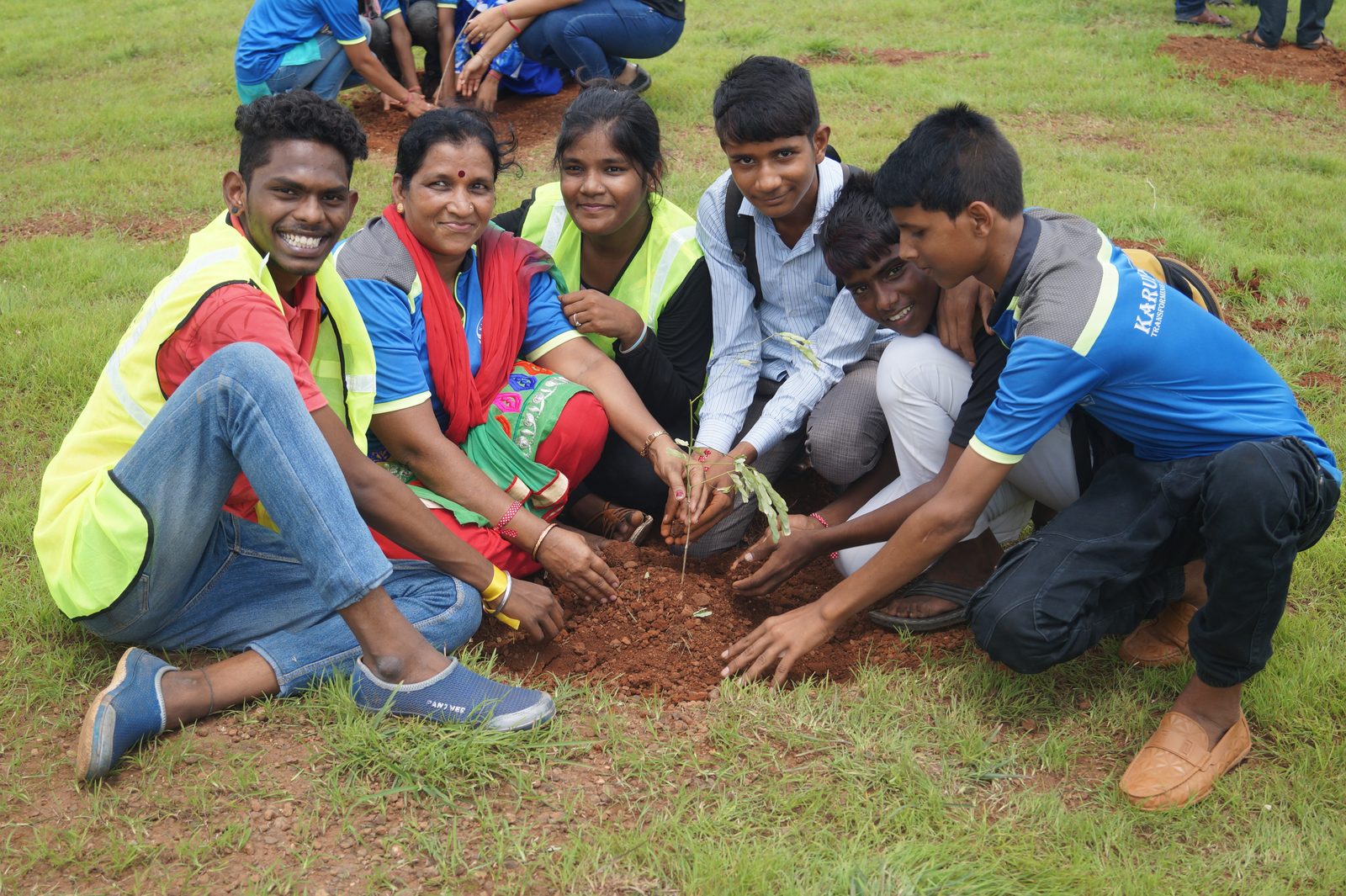
trees were planted, contributing to increased green cover and local environmental restoration.
Core area
Safe Habitat
1 key impact
300
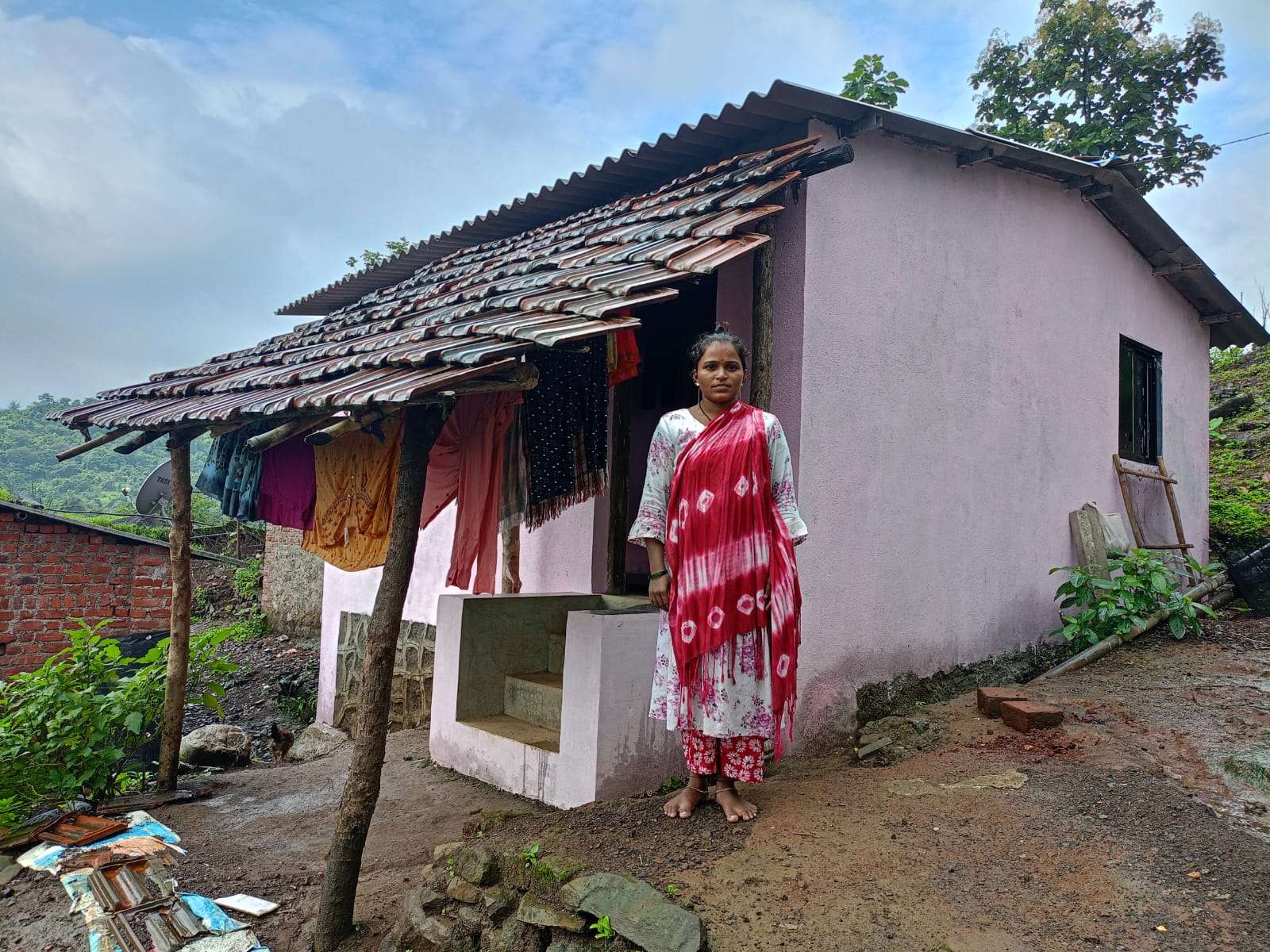
Tribal families have moved into safer, more secure homes, strengthening their sense of dignity, stability and belonging.